Denture Fit In Older Adults: How Changing Gums Affect Fit & Comfort
Getting used to dentures takes patience. Living with them for years takes understanding. Many people are surprised to learn that changes in their mouth don’t stop once they’ve healed from extractions or adjusted to their first set.
If you’ve ever searched for a denture clinic on the Sunshine Coast because your dentures suddenly feel loose or uncomfortable, you’re not alone. Shifting gums and jawbone changes are part of the natural ageing process, and directly affect denture fit and comfort.
The good news? Most fit issues are manageable when you know what’s happening and act early.
Let’s unpack why dentures change over time, what to look out for and how to stay comfortable.
Why Your Gums and Jawbone Don’t Stay the Same
When natural teeth are removed, the jawbone no longer receives stimulation from tooth roots. That stimulation once told your body to maintain bone density and without it, the body gradually reabsorbs bone tissue. This process, called bone resorption, happens slowly but consistently. At the same time, gum tissue can:
- Thin with age
- Shift shape
- Lose volume
- Become more sensitive
These changes alter the foundation your dentures sit on. Even the most carefully crafted dentures on the Sunshine Coast will eventually need adjustment because the mouth itself keeps evolving.
For long-time denture wearers, this explains why a set that once felt snug may now slip while talking or eating. For new wearers, it’s helpful to know that minor movement in the first year can occur as your gums settle after extractions. Your dentures haven’t failed; your mouth has simply changed.
Subtle Signs Your Dentures No Longer Fit Properly
Denture problems rarely appear overnight but creep in quietly. Many older adults put up with discomfort longer than they should, assuming it’s just part of wearing dentures – so watch for these common indicators:
- Clicking sounds while speaking
- Needing adhesive more often than usual
- Food collecting under the plate
- Sore spots that return in the same area
- Difficulty chewing tougher foods
- Changes in facial shape or a slightly sunken look
A loose lower denture often shifts first because the lower jaw naturally resorbs faster than the upper. You may notice it lifting when you yawn or laugh. Upper dentures may start to feel less secure during meals.
If chewing becomes tiring, that’s a sign your bite alignment may have shifted. Poor contact between upper and lower dentures places strain on your jaw muscles and can even trigger headaches.
These signs don’t mean you need an entirely new set straight away. Often, an assessment reveals that a reline or adjustment can restore comfort.
Sore Spots, Slipping & Speech Changes – What’s Really Happening?
Let’s break this down clearly.
Slipping dentures usually occur because the ridge of bone beneath them has shrunk. The denture base remains the same shape, but the gum ridge it rests on has become smaller. That gap creates movement.
Sore spots form when pressure concentrates in one area instead of being distributed evenly. As bone resorbs unevenly, certain points bear more force during chewing.
Speech changes can happen when dentures shift slightly during conversation. Sounds like “s” and “f” require precise tongue placement. Even small movements can alter pronunciation. Between appointments, you can:
- Rinse dentures after meals
- Clean them thoroughly each night
- Soak them in an appropriate solution
- Remove them while sleeping to give the gums rest
- Massage your gums gently with a soft toothbrush
These habits won’t stop bone changes, but they reduce irritation and inflammation, helping your tissues stay healthier for longer.
Also, avoid grinding down rough areas yourself. DIY fixes often worsen the problem and damage the acrylic base.
How Relines Restore Comfort Without Replacing Dentures
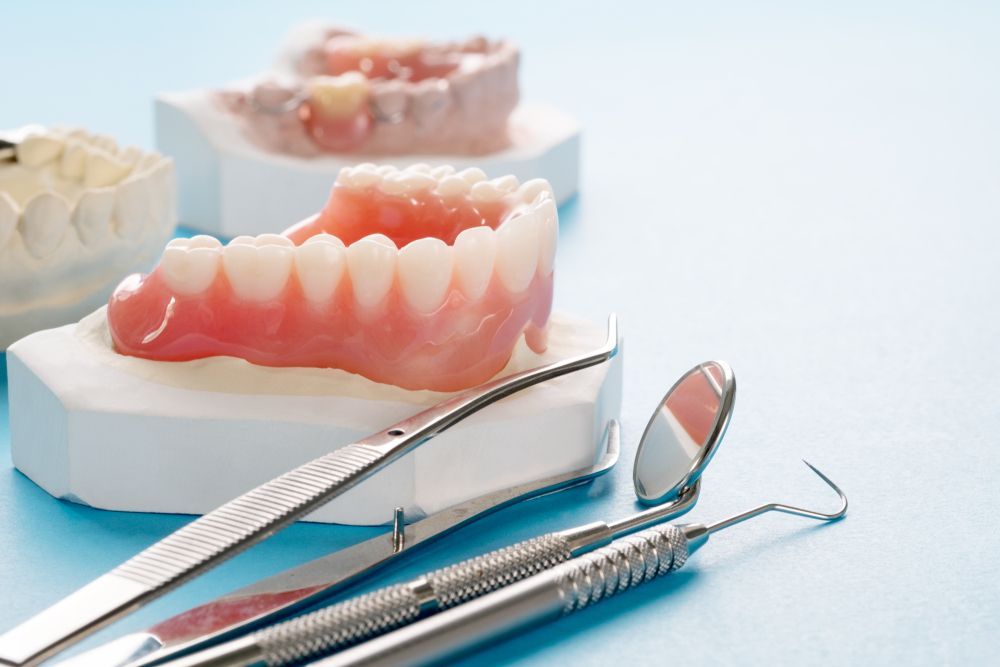
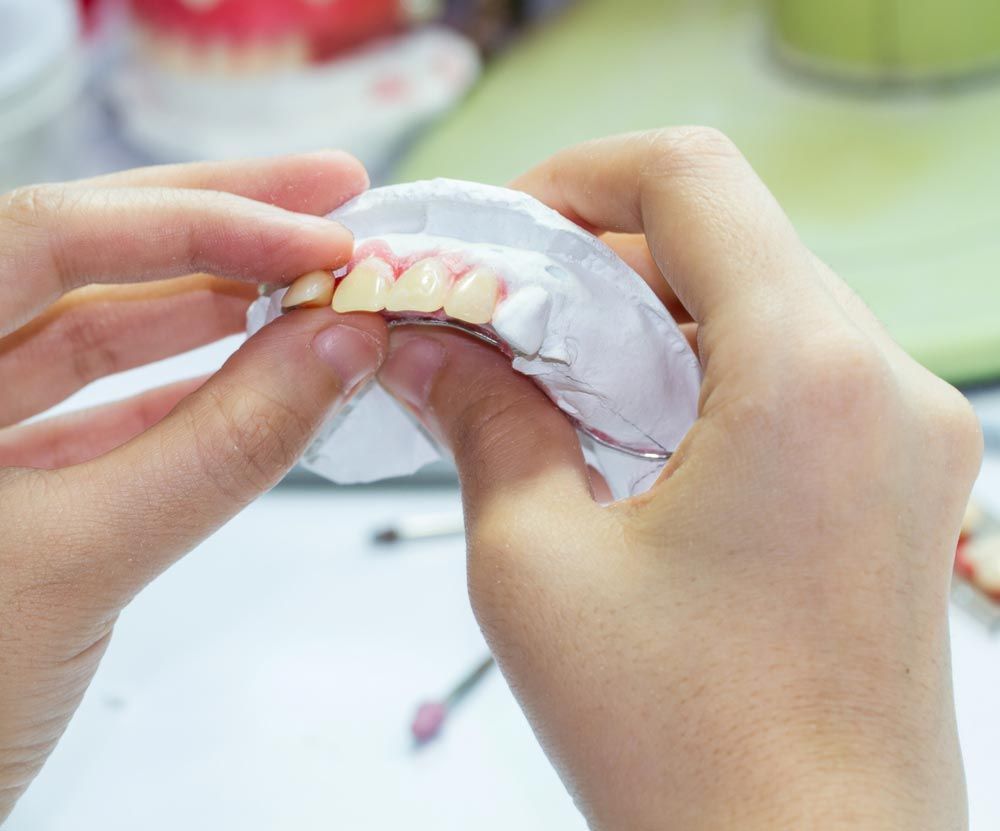
A denture reline reshapes the underside of your existing denture to match the current contour of your gums. It fills the gap created by bone shrinkage and restores a secure fit. There are two main types:
- Soft relines – cushioned material added for sensitive or thin gums
- Hard relines – durable acrylic reshaping for long-term fit
Many older adults benefit from periodic relines every few years. It depends on how quickly their bone resorbs and how well their dentures have been maintained.
If your dentures are structurally sound and the teeth still align properly, relining can significantly improve stability without the cost of a full replacement. Regular reviews at a denture clinic on the Sunshine Coast allow staff to assess bone changes early and recommend the right timing for adjustments.
When Implant-Retained Dentures Are Worth Considering
For those frustrated by ongoing lower denture movement, implant-retained dentures offer greater stability. Small titanium implants placed in the jaw can act as anchors, securing the denture in place. The benefits often include:
- Improved chewing strength
- Reduced slipping
- Better speech clarity
- Slower bone resorption due to implant stimulation
Not everyone needs implants, but for patients experiencing repeated relines or persistent instability, they can dramatically improve the quality of life. A proper assessment helps determine suitability based on bone density, overall health and personal preference.
Daily Comfort Tips That Make a Difference
Beyond professional care, small daily practices protect both your dentures and your gums. You might want to consider the following:
- Stay hydrated – a dry mouth reduces suction and increases friction.
- Eat balanced meals – adequate calcium and vitamin D support bone health.
- Chew evenly on both sides – this reduces uneven pressure.
- Avoid very hot water when cleaning – heat can warp denture acrylic.
- Schedule routine reviews – even if everything feels fine.
Many long-term wearers skip check-ups once they feel settled; however, silent bone changes continue even when discomfort isn’t obvious. Early detection keeps adjustments simple.
The Emotional Side of Denture Changes
Physical discomfort isn’t the only challenge. Denture instability can affect your confidence. You might avoid social meals or feel hesitant speaking in groups, and that’s understandable.
Teeth shape the lower face, support lips and influence speech patterns. When dentures lose fit, facial structure can subtly change. Restoring that fit often restores self-assurance as well.
Ongoing care isn’t vanity – it’s about maintaining dignity, comfort and connection with others. Many older adults describe the relief they feel after a simple reline corrects months of irritation. They hadn’t realised how much they’d adapted to discomfort until it disappeared.
When to Book an Assessment
If you notice persistent movement, repeated sore spots or difficulty chewing, don’t wait for severe pain. Early intervention prevents further gum trauma and bone loss. Staff at a denture clinic will:
- Examine your gum health
- Check bite alignment
- Assess denture wear
- Discuss reline or replacement options
- Evaluate suitability for implant support if needed
If you’ve worn the same dentures for more than five to eight years, even without major discomfort, an evaluation makes sense. Materials wear down and jaw structure changes gradually.
People looking for dentures on the Sunshine Coast often assume they need a brand-new set when discomfort begins. In many cases, a simpler adjustment resolves the issue.
Keeping Comfort Front of Mind
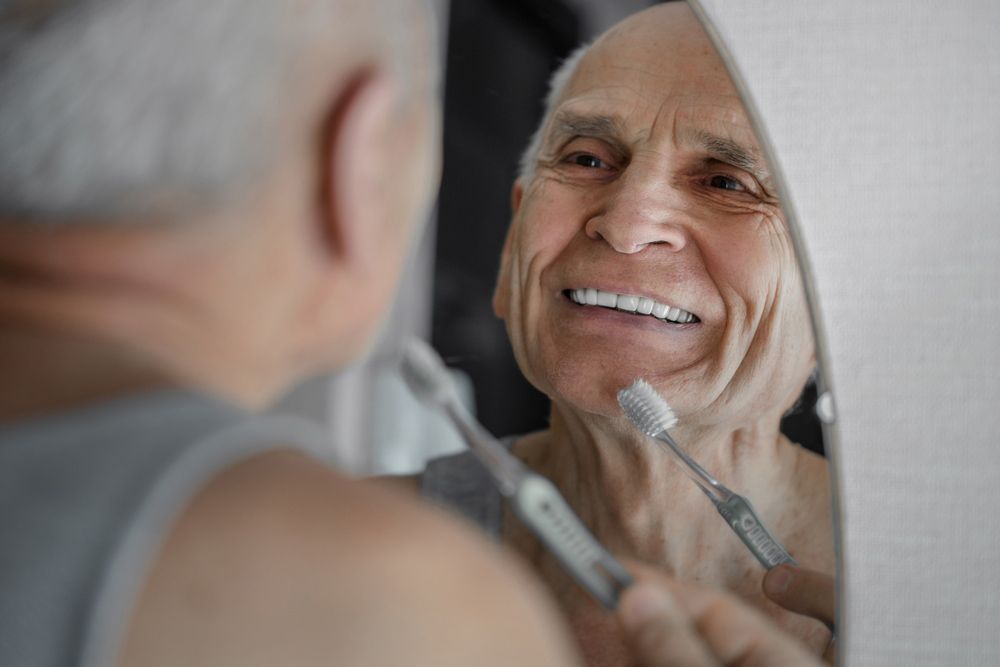
Ageing doesn’t mean accepting discomfort. Dentures should support your lifestyle –meals with family, laughter with friends and clear conversation without second-guessing your smile. If your dentures feel different from the way they once did, your body may simply be asking for a small correction.
Staying proactive protects not only your oral health but also your overall well-being. Nutrition, speech, facial support and confidence all depend on proper denture fit.
If you’re searching for a denture clinic on the Sunshine Coast that understands how ageing gums affect long-term comfort, The Denture Kitchen serves the Sunshine Coast with personalised assessments, relines and advanced denture care. Book an appointment today and let us help you restore stability, comfort and confidence with support from our denture clinic on the Sunshine Coast.