Denture Repair Kits Vs Professional Repairs On The Sunshine Coast: What To Know Before You DIY
A cracked or broken denture can interrupt your day, making eating, speaking and smiling uncomfortable. When something goes wrong, reaching for a home repair kit might seem like the quickest solution.
However, not all damage is suitable for a DIY fix. Household adhesives and temporary repair products can introduce additional problems, particularly when the original break affects how your denture fits.
Before attempting a repair yourself, it's worth understanding what denture repairs on the Sunshine Coast involve, how they differ from home kits and why choosing the right approach matters for your comfort and oral health.
Can You Repair Broken Dentures Yourself?
Denture repair kits are available through pharmacies and online retailers, often marketed as convenient solutions for cracks or broken sections. Although some products may offer temporary results, they cannot address every type of damage. A denture that appears simple to repair may have underlying fractures or alignment problems that aren't immediately visible. Attempting to join broken pieces incorrectly can also affect the fit.
Before using a home repair product, be aware that:
- Small cracks may extend beyond the visible damage and require further assessment.
- Joining broken sections incorrectly can change how the denture sits against your gums.
- Temporary repair products may not withstand normal daily use.
Having the damage assessed by a dental practitioner can help identify problems that aren't immediately apparent.
Why Superglue Isn't Suitable for Denture Repairs
Superglue might seem like a straightforward solution when two broken pieces fit together. However, household adhesives aren't intended for repairing dental appliances worn inside the mouth. They can leave an uneven bond, interfere with alignment and make subsequent repairs more difficult. Some adhesives may also contain substances unsuitable for oral contact. Even when the pieces appear firmly attached, the repaired area may not withstand normal chewing forces.
Using household glue can create problems by:
- Leaving hardened adhesive between fractured surfaces and preventing accurate alignment.
- Creating rough edges or uneven joins that irritate your gums.
- Complicating further repairs if adhesive residue needs to be removed.
Avoid using superglue on dentures, as household adhesives can introduce additional complications.
How Denture Repairs Are Carried Out
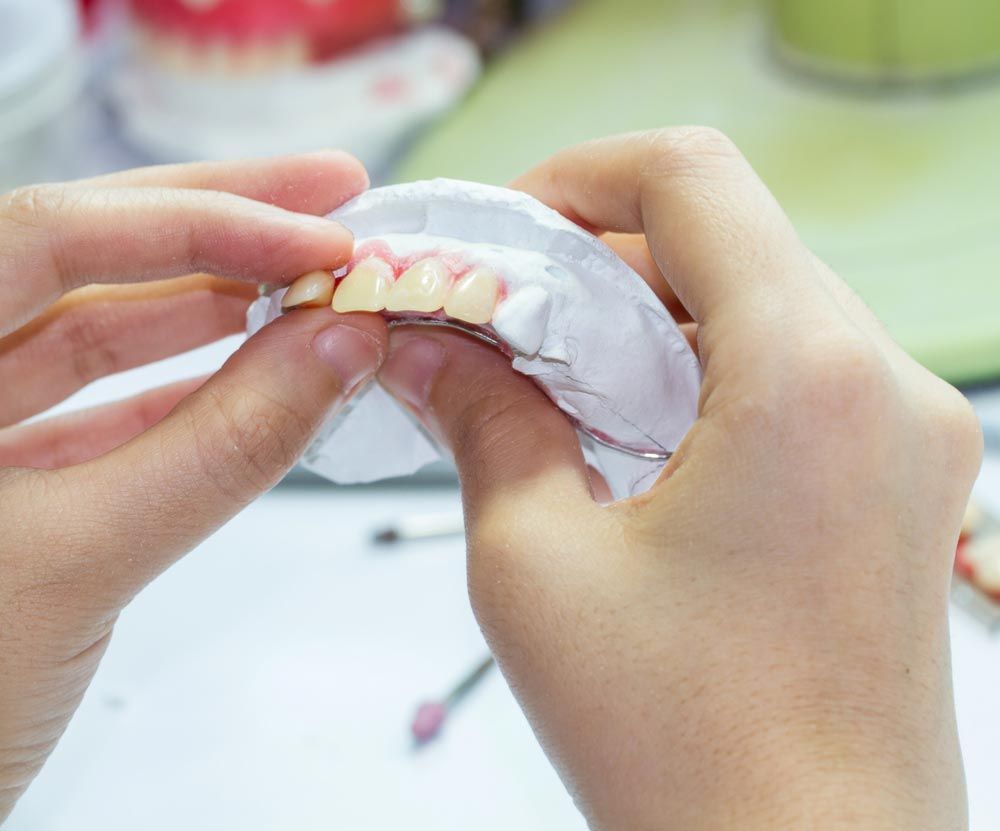
Denture repairs involve more than joining broken pieces together. Depending on the damage, a dental prosthetist or technician may assess the fracture, check how the sections align and determine an appropriate repair method. For fractured acrylic dentures, this may involve positioning the pieces using a supporting model, preparing the damaged surfaces and applying compatible repair material. Fibre reinforcement may also be suitable in certain circumstances.
Depending on the damage, repair work may involve:
- Using a supporting model to maintain the denture's original shape and alignment.
- Preparing fractured surfaces and applying suitable dental repair materials.
- Finishing the repaired area and checking the denture's fit.
These steps address the damaged structure while accounting for how the appliance sits in your mouth.
When a Same-Day Repair Might Be Suitable
A broken denture can make everyday activities difficult, particularly when you rely on it for eating, speaking or attending work. This urgency often encourages people to attempt temporary repairs rather than waiting for an appointment. However, repair appointments may be available sooner than expected. For people seeking same-day denture repairs in Caloundra, contacting a local provider can help establish whether the damage can be assessed promptly.
When enquiring about an appointment, you can:
- Explain whether the denture is cracked, completely broken or missing an artificial tooth.
- Describe any discomfort, changes in fit or difficulties wearing the appliance.
- Ask about appointment availability and whether same-day work may be possible.
Repair times depend on the extent of the damage, so confirming availability beforehand is important.
When a Repair Won't Address the Underlying Problem
Not every damaged denture simply needs a fractured section repaired. Changes to your gums and jawbone can affect how an existing denture fits, potentially creating uneven pressure or movement. This additional stress may contribute to recurring cracks or discomfort. In some circumstances, denture relines can improve the fit by adjusting the surface that rests against your gums, although severely damaged appliances may require replacement.
Signs that a fitting assessment may be worthwhile include:
- A denture that repeatedly shifts, rocks or feels loose during use.
- Sore spots or pressure around the gums despite previous adjustments.
- Recurring cracks or breaks in similar areas of the appliance.
Identifying why damage keeps occurring can help determine whether repair, adjustment or replacement is appropriate.
Recognising Damage Before Your Dentures Break
Denture damage doesn't always begin with a noticeable fracture. Fine cracks, changes in stability and increasing discomfort can develop gradually, making early warning signs easy to overlook. Paying attention to these changes gives you an opportunity to arrange an assessment before a complete break occurs. Our previous article, "7 Signs Your Dentures Need Repair (Before They Break)", explores common warning signs in more detail.
You should arrange an assessment if you notice:
- Hairline cracks, chips or changes to the denture's surface.
- Unexpected movement or discomfort when speaking and chewing.
- Artificial teeth becoming loose or separating from the denture base.
Having these concerns assessed early may help identify damage before it progresses.
What Should You Do While Waiting for an Appointment?
If your denture breaks, avoid attempting an unsuitable repair and contact a dental practitioner for advice. Continuing to wear a damaged appliance may irritate oral tissues or worsen the fracture. Keep any separated pieces together and handle them carefully. If you're unsure how to manage the damage before your appointment, read more on our blog for general denture care information.
While waiting for an assessment, it's sensible to:
- Remove the damaged denture if wearing it causes discomfort or presents an injury risk.
- Store all broken pieces securely in a suitable denture container.
- Avoid filing, gluing or reshaping the appliance yourself.
These precautions can help preserve the damaged sections until they can be assessed.
Choosing Between a Repair Kit & Dental Assistance
When comparing your options, look beyond the initial convenience of a home repair kit. A temporary adhesive fix may appear inexpensive, but an inaccurate join could create discomfort or complicate further treatment. An assessment can establish the extent of the damage and whether repairing the appliance is appropriate. It also provides an opportunity to discuss recurring problems and changes in fit.
Before deciding how to proceed, ask yourself:
- Whether the damage affects the denture's structure, comfort or positioning.
- Whether previous repairs have failed or similar problems keep returning.
- Whether an assessment could identify issues that a home kit cannot address.
Understanding the condition of your denture can help you make an informed decision about the available options.
Arrange an Assessment for Your Damaged Dentures
At The Denture Kitchen, we understand how disruptive a damaged denture can be, particularly when it affects eating, speaking and everyday comfort.
If you need denture repairs on the Sunshine Coast, contact us to discuss the damage and available appointment options. Whether you're dealing with a crack, broken section or ongoing discomfort, an assessment can help determine the next steps.
Get in touch today to enquire about our services and arrange an appointment.
Frequently Asked Questions
Can a Cracked Denture Break Completely if I Keep Wearing It?
Yes, an existing crack may worsen when exposed to regular chewing pressure or handling. Continuing to wear a damaged appliance can also cause discomfort or irritation. Having the crack assessed can help determine whether repair is appropriate.
Can a Broken Denture Tooth Be Reattached?
In some cases, a detached artificial tooth can be reattached, depending on its condition and the denture base. An assessment is needed to determine whether the components remain suitable for repair. Keep the detached tooth and avoid attempting to glue it back into position.
Will a Repaired Denture Be as Strong as Before?
The strength of a repaired denture depends on the location and extent of the damage, materials used and appliance condition. Some repairs can restore function, but further fractures remain possible. A dental practitioner can discuss the likely outcome following an assessment.
Can I Eat Normally Immediately After a Denture Repair?
This depends on the repair method and the condition of your denture. Follow the instructions provided after the repair, including any temporary dietary precautions. If the denture causes discomfort, avoid forcing it into place and seek further advice.
How Should I Clean My Dentures After They've Been Repaired?
Follow the cleaning instructions provided by your dental practitioner. Generally, dentures should be cleaned using a suitable denture brush and recommended cleaning products. Avoid abrasive materials, household chemicals and excessively hot water, which may damage the appliance.